
Spectrum Sharing, Spectrum Management, and Cognitive Radio
- (EM Spectrum - IOTA)
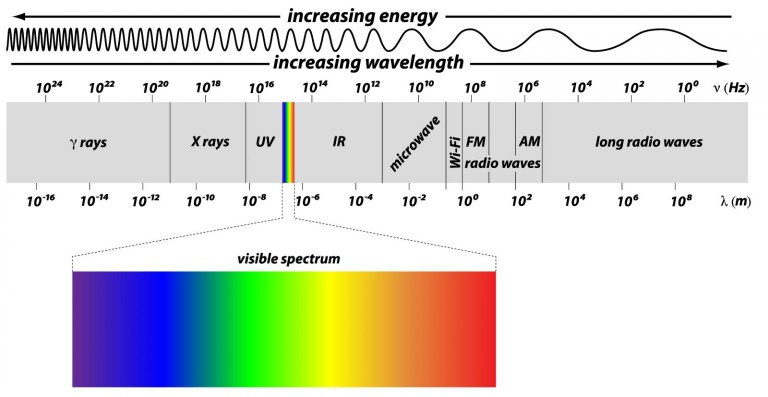
- Overview
Spectrum Sharing lets multiple users access the same radio frequencies efficiently; Spectrum Management is the overall process of overseeing frequency use; and Cognitive Radio is the smart technology that enables sharing by sensing the environment and dynamically adapting to use unused spectrum without interfering with licensed users, improving efficiency for growing wireless demands.
A. Spectrum Sharing:
- What it is: A technique allowing various users (licensed and unlicensed) to share the same frequency bands, either simultaneously or at different times, to boost utilization of the finite radio spectrum.
- Goal: To overcome spectrum scarcity by letting secondary users transmit when primary (licensed) users aren't using the channel, protecting the primary user's performance.
B. Spectrum Management:
- What it is: The regulatory process of allocating and overseeing the use of radio frequencies to ensure efficient use and maximize public benefit.
- How it works: Involves setting policies, licensing, and employing techniques like dynamic spectrum access to manage spectrum resources, moving beyond exclusive licenses to shared models.
C. Cognitive Radio (CR):
What it is: An intelligent wireless communication system that can sense its environment, identify available frequencies, and adapt its transmission parameters (like frequency, power) to use those empty channels.
1. Key Functions:
- Spectrum Sensing: Continuously scans for unused channels (spectrum holes).
- Dynamic Spectrum Access: Intelligently selects and switches to the best available channel.
- Interference Avoidance: Ensures it doesn't disrupt licensed users.
2. Role: CR is a core technology enabling advanced spectrum sharing and management, leading to better efficiency, lower latency, and new services like 5G.
- AI-assisted Spectrum Sharing, Spectrum Management, and Cognitive Radio in 5G and Beyond
AI-assisted Spectrum Sharing, Management, and Cognitive Radio in 5G/Beyond use Artificial Intelligence (AI) to dynamically sense, learn, and optimize radio spectrum usage, allowing diverse users (licensed/unlicensed) to share frequencies efficiently, reducing interference and maximizing data throughput by intelligently adapting to changing network conditions, a key evolution from traditional fixed allocation towards smart, autonomous wireless environments.
1. Core Concepts:
- Spectrum Sharing: Allows multiple users (Primary Users - PUs & Secondary Users - SUs) to safely use the same frequency bands, with SUs opportunistically accessing underutilized spectrum without disrupting PUs.
- Cognitive Radio (CR): Intelligent radios that can "see" the spectrum, learn from it, and adapt their transmission parameters (frequency, power, modulation) to available channels, enabling dynamic sharing and better QoS.
- Spectrum Management (AI-Enabled): The broader process of optimizing spectrum resources, enhanced by AI/ML for real-time, context-aware decisions, moving beyond manual/static methods.
2. How AI Enhances These Areas:
- Spectrum Sensing & Awareness: AI/ML algorithms (Deep Learning, Reinforcement Learning) rapidly and accurately detect existing users and interference, providing detailed spectrum awareness.
- Dynamic Allocation & Sharing: AI predicts usage patterns and makes real-time decisions, dynamically assigning frequencies, optimizing handoffs, and adjusting sharing policies.
- Adaptive Learning: AI models learn from network data, improving their ability to predict, classify signals, and adapt transmission strategies for maximum efficiency.
- Autonomous Operation: Enables self-optimizing networks (SONs) where spectrum use is automated, reducing manual intervention.
3. In 5G and Beyond (6G Focus):
- Efficiency & Capacity: Critical for handling massive device connectivity and data demands by squeezing more capacity from limited spectrum.
- Dynamic Spectrum Marketplaces: Facilitates real-time trading and allocation of spectrum.
- Terrestrial & Non-Terrestrial Networks (UAVs, Satellites): Manages complex integrated networks using shared resources.
- Security: AI helps detect and mitigate unauthorized transmissions (interferers) in licensed bands.
[More to come ...]
